


The Ultimate Pigmentation Guide | What’s the Most Effective Way to Remove Dark Spots? From Causes to the M22 Treatment
Can Skincare Products Really Fix Pigmentation Once It’s Formed?
Every time you look in the mirror, there are always a few spots you wish you could “airbrush away” — freckles on your cheekbones, sun spots near your nose, and stubborn acne scars that just won’t fade. These pigmentation concerns are something nearly every Hong Kong woman shares.
The problem is, you’ve gone through bottle after bottle of brightening serum, and the spots remain stubbornly unchanged. What’s the most effective way to remove pigmentation? The key is this: you need to first identify exactly which type of pigmentation you have before you can treat it properly. Treating pigmentation blindly doesn’t just waste money — it can actually make the spots darker.
.
In-Depth Breakdown: The 4 Main Types of Pigmentation
①Freckles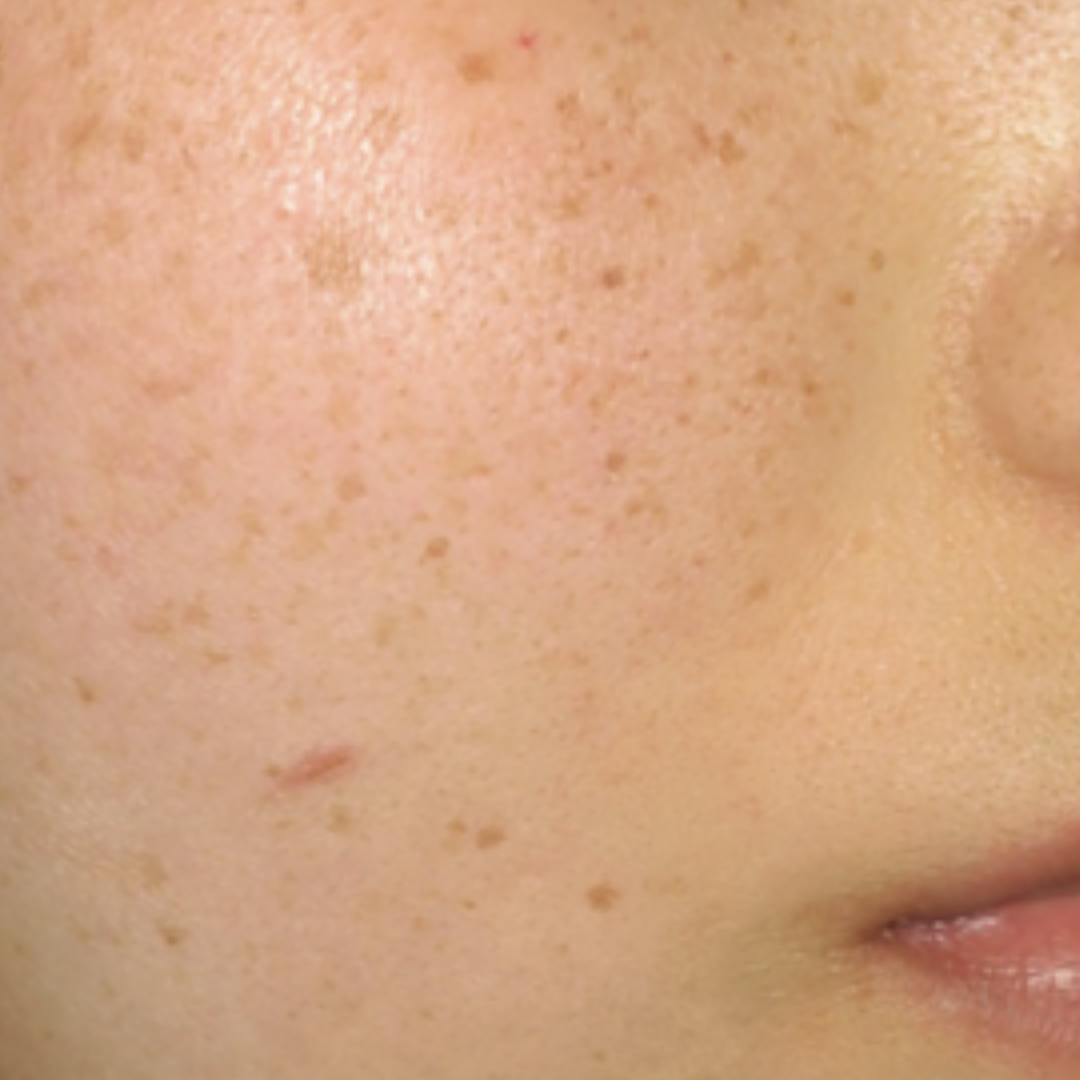 | A superficial type of pigmentation directly linked to genetics and sun exposure. Characterised by small, densely clustered, light brown spots that noticeably darken under summer UV exposure. Relatively speaking, freckles are one of the easier types of pigmentation to treat. |
②Sun Spots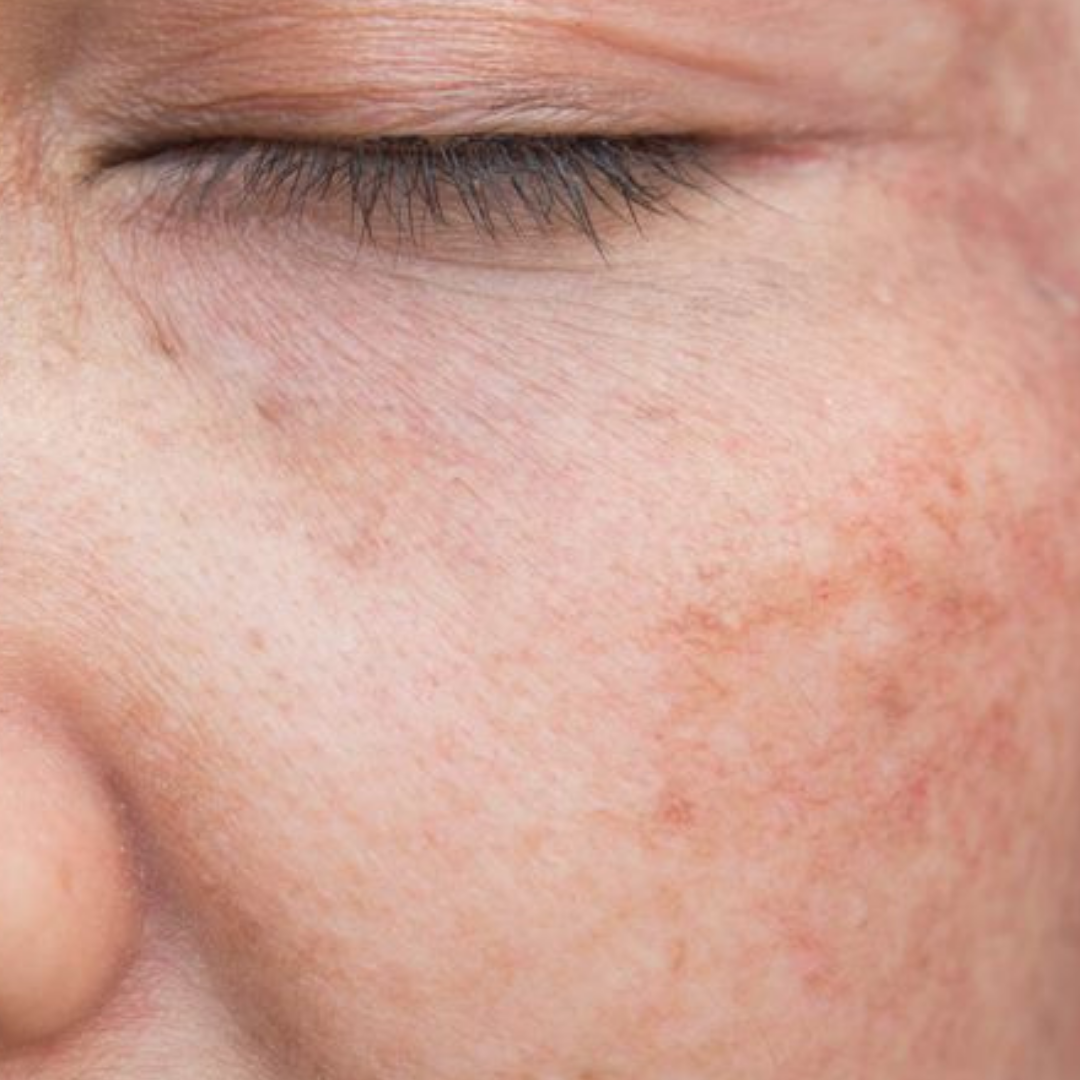 | Caused by long-term accumulated UV damage, sun spots occur when melanocytes become overactive, forming darker patches with clearer edges and irregular shapes, commonly found on the cheeks and forehead. Sun protection is the most effective prevention method. |
③Melasma (Hormonal Pigmentation)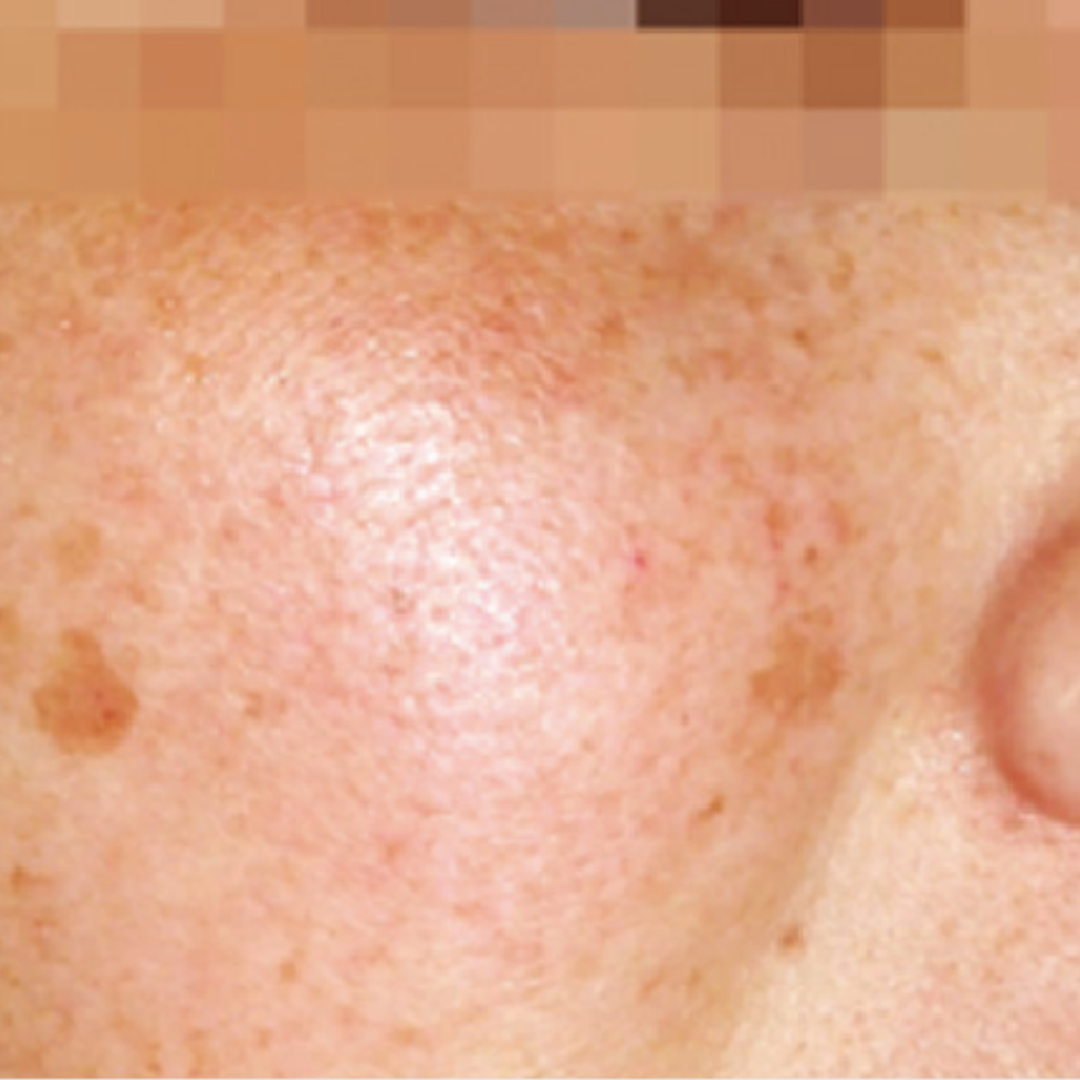 | This is the most challenging type of pigmentation to treat. Improving melasma is difficult because its causes involve hormonal imbalance, stress, pregnancy, or long-term contraceptive pill use. Relying on external treatment alone produces inconsistent results — a combined approach is needed. |
④Post-Inflammatory Hyperpigmentation (PIH)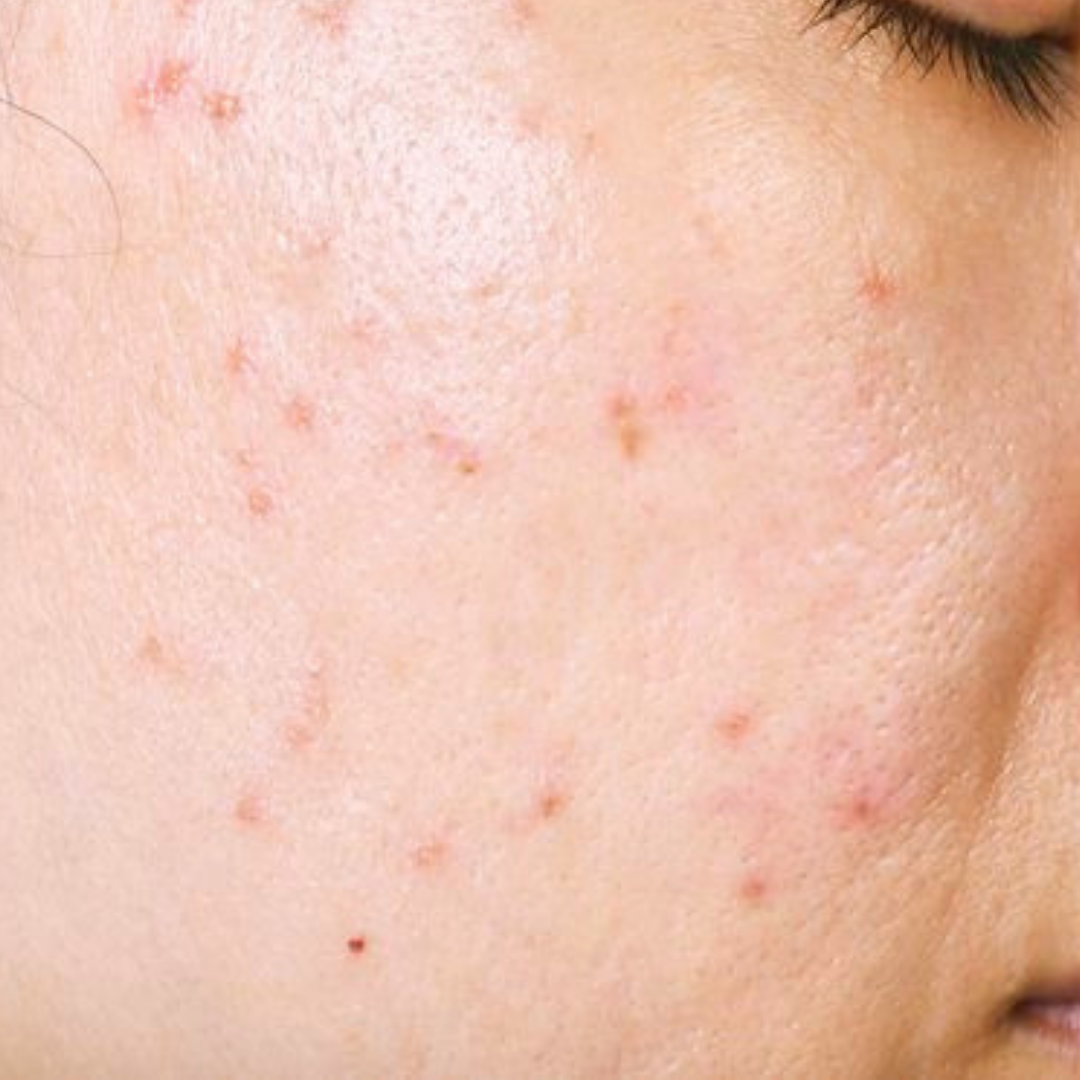 | This includes “acne scars” left after breakouts, and pigment deposits following injury or irritation. The good news: PIH is an acquired condition that can be effectively lightened through proper light-based pigmentation treatments. |
.
Keep reading — an exclusive offer is waiting for you…
.
How to Remove Pigmentation? Daily Skincare, Brightening Products & Professional Treatments
Pigmentation forms for different reasons, at different depths, and on different skin conditions — there’s no one-size-fits-all removal method. Sun protection, topical products, chemical exfoliation, and light-based treatments each target a different level of pigmentation, so it’s essential to understand your pigmentation type before choosing a treatment.
Daily sun protection and reducing pigment formation.
- Use a sunscreen that protects against both UVA and UVB daily, reapplying based on outdoor activity time, sweating, and water exposure.
- During extended outdoor activities, combine sunscreen with physical protection like hats, sunglasses, and umbrellas to reduce direct UV exposure.
- Avoid squeezing acne, scratching your skin, or over-exfoliating to reduce the risk of post-inflammatory pigmentation.
Brightening Creams / Serums
Many people ask “do brightening creams actually work?” — the answer is: yes, but with limitations. Topical brightening ingredients (like vitamin C, arbutin, and tranexamic acid) can only suppress new melanin production or lighten the most superficial pigment. They’re largely ineffective against deeper, already-formed pigmentation.
Chemical Exfoliation Methods
- Glycolic acid and mandelic acid treatments improve superficial pigmentation and uneven skin tone by promoting cell turnover in the outer skin layer.
- Results depend on pigmentation depth, concentration used, and skin tolerance.
- Overuse can cause dryness, redness, or inflammation, increasing the risk of rebound pigmentation — so enhanced hydration and sun protection are essential.
Traditional Laser Pigmentation Removal
Traditional lasers deliver concentrated, fixed energy. While they directly target pigment, improper application often leads to laser pigmentation removal side effects — the most troublesome being “rebound darkening,” where pigmentation actually deepens after treatment, particularly common in clients with darker skin tones or melasma.
Skin Retreat uses the M22 Hong Kong flagship-grade IPL platform, which uses Optimal Pulse Technology (OPT™) to completely rewrite the limitations of traditional light therapy.
.
OPT™ Technology: Stable Output, Zero “Rebound Darkening” Risk
OPT™ ensures every light pulse delivers even, stable energy output — eliminating the “energy spikes” seen in traditional devices, significantly reducing the risk of burns and rebound darkening. This allows the M22 pigmentation removal results to be maximised safely.
9 Professional Filters: Treatment Tailored to Your Pigmentation Type
M22’s biggest advantage is its 9 professional wavelength filters designed for different concerns. During light-based pigmentation treatment, your therapist selects the most suitable filter based on the depth, type, and colour of your pigmentation, achieving genuinely personalised treatment.
- Superficial pigmentation (freckles, sun spots): A specific wavelength is selected for precise targeting while protecting surrounding healthy skin.
- Redness, dullness: Switch to a vascular wavelength to address multiple concerns in one session.
- Melasma: Combined with gentler energy settings for steady improvement without over-stimulation.
.
M22 vs. Traditional Laser Pigmentation Removal
| Comparison | Traditional Single-Wavelength Laser | M22(IPL/OPT) |
| Technology Flexibility | Single wavelength, narrower targeting | 9 filters, targeting multiple skin concerns |
| Concerns Treated | Melanin only | Pigmentation, redness, pores, acne scars treated simultaneously |
| Pain & Downtime | More noticeable, may scab | Gentle and comfortable, no downtime, immediate makeup application |
| Rebound Darkening Risk | Concentrated energy, relatively higher risk | Segmented output, extremely high safety |
.
Keep reading — an exclusive offer is waiting for you…
.
Pigmentation FAQ
Q: How can I remove pigmentation without triggering rebound darkening?
A: Sun protection is the single most critical step post-treatment — without exception. Apply SPF 50+ sunscreen daily for 4 weeks after treatment and avoid direct sun exposure. Skin with freshly broken-down pigment is extremely sensitive to UV — even brief exposure can trigger melanocytes to “rebound,” making pigmentation darker than before.
Q: How many M22 sessions are needed before I see visible pigmentation improvement?
A: Generally, 3–5 sessions per treatment cycle are recommended (once every 3–4 weeks). Freckles and sun spots typically show noticeable improvement after 2–3 sessions; improving melasma takes longer and requires more sessions, combined with daily sun protection and lifestyle adjustments for lasting results.
Q: Can I sunbathe immediately after an M22 treatment?
A: Absolutely not recommended. Avoid direct sun exposure for at least 2 weeks after treatment, and apply generous high-SPF sunscreen when going outside. Even UVA passing through windows indoors can affect treatment results. This is the most important factor in determining how lasting your M22 pigmentation removal results will be.
Q: Will pigmentation fade on its own?
A: Not necessarily. Temporary pigmentation like acne scars may fade with natural skin turnover, but deeper pigmentation like freckles and melasma won’t disappear on their own — and may actually deepen if left untreated. Regardless, sun protection remains the essential first step.
Q: How long does it typically take for daily pigmentation products to show results?
A: Generally, it takes 4 to 8 weeks of consistent use before superficial pigment starts to lighten; deeper pigmentation may take 3 months or longer. Results depend on ingredient concentration and individual metabolism, and must be paired with sun protection.
.
Begin Your “Brightening Journey” at Skin Retreat
Before every Skin Retreat professional treatment, your therapist conducts a detailed skin analysis to identify your exact pigmentation type (freckles, sun spots, melasma, or acne scars), then develops a combined treatment approach tailored to the “mixed pigmentation” patterns commonly seen in Hong Kong, rather than applying a one-size-fits-all protocol.
Our ocean-retreat-inspired space design lets you address your pigmentation concerns while enjoying a rare sense of calm — this is what Skin Retreat truly stands for.
Not sure which type of pigmentation you have? Book a free skin analysis today and let our therapists design the most suitable brightening plan for you.